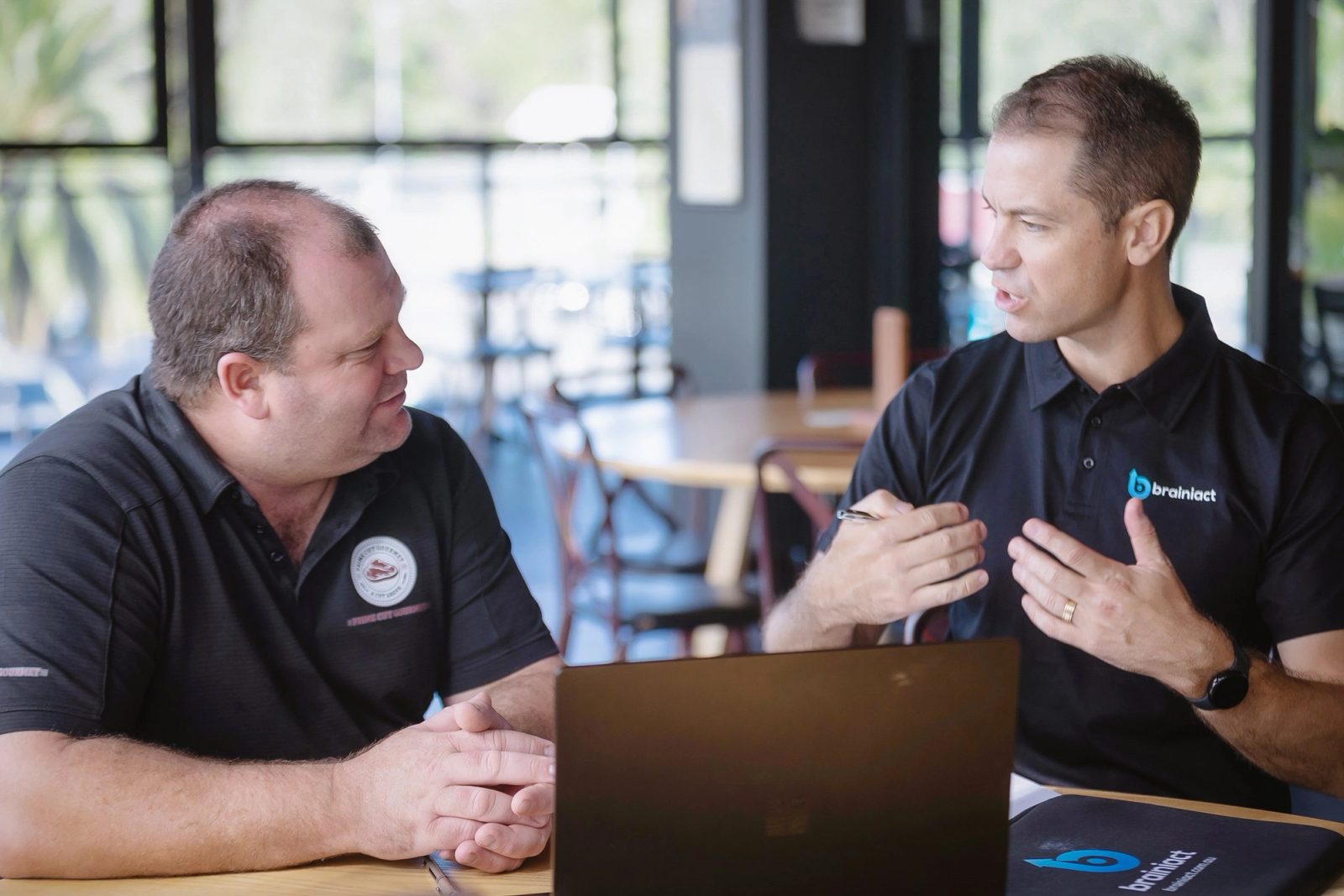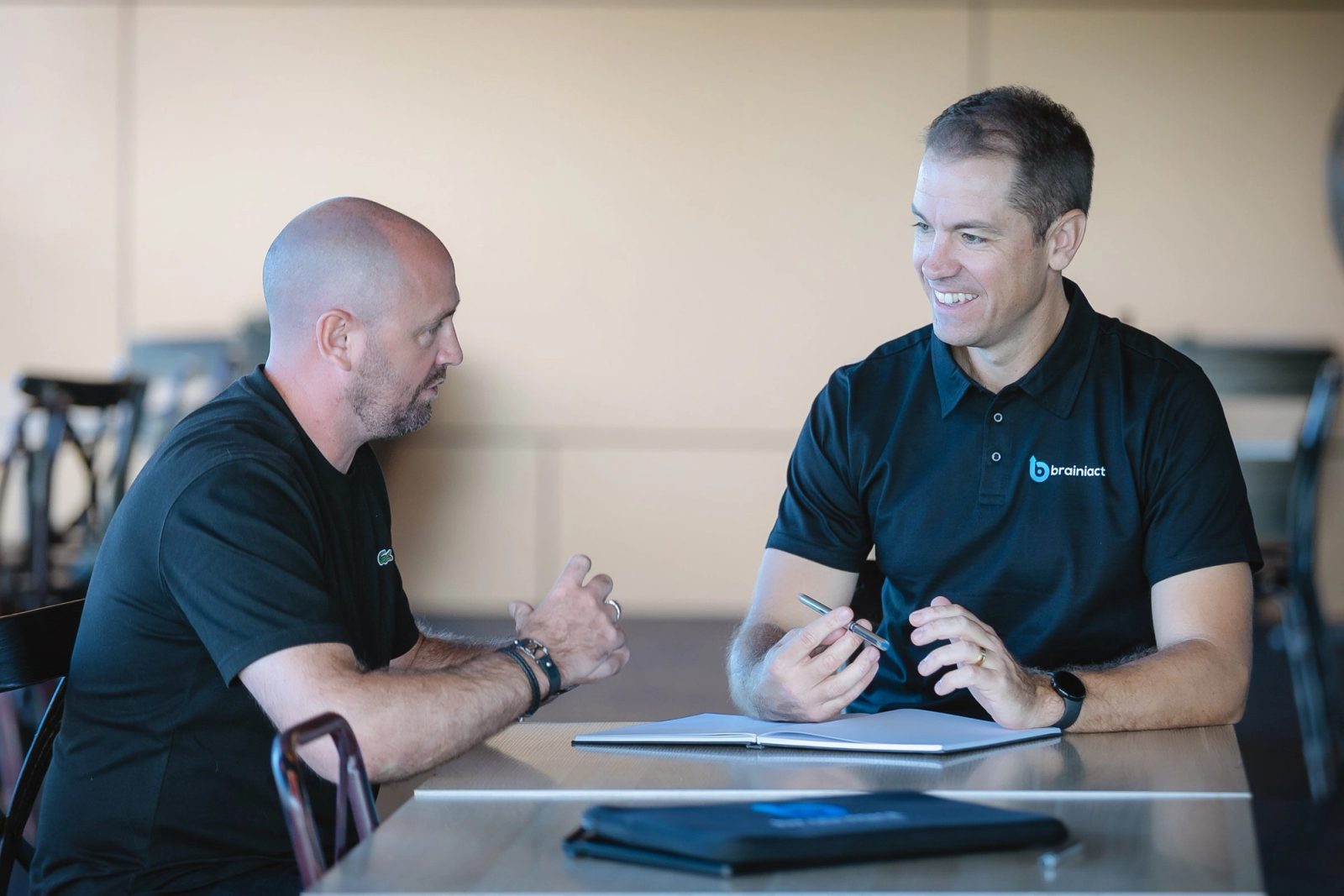
When I think about getting value from coaching, I pay particular attention to what happens between sessions.
The agreed work has to fit into a week that already includes customers, staff, deadlines and family commitments. That is where a clear plan and consistent follow-through matter.
You might arrive at a session with a problem that has been bothering you for months. You work through it, agree on a sensible next step and leave feeling clearer. Then the phone starts ringing, another job needs attention and the action gets pushed into next week.
That is the point where the coaching process needs to help you turn the conversation into something you can carry out.
Here is how I would approach getting the most from it.
Commit to the process
Commitment means giving the work consistent attention, including when business gets busy or the conversation becomes uncomfortable. It starts with understanding what you are trying to achieve and making room to work towards it.
Agree what you want to change
Be specific about why you are doing coaching.
You may want more consistent enquiries, better margins, a team that makes more decisions independently or a working week that leaves room for your family. Each of those goals calls for different work.
If your goal is to spend less time answering staff questions, identify which questions keep coming back to you. If you want more predictable sales, look at how enquiries arrive, what happens after a quote and where opportunities are being lost.
Agree on your starting position and the changes you want to see. That gives you and your coach something concrete to return to when a new problem threatens to take over every session.
Your priorities can change. When they do, discuss the reason and decide together what should happen to the work already under way.
Protect time for the work
Put coaching sessions in your diary and treat them as business appointments. Make enough space to participate properly, with the information you need in front of you.
The implementation time matters too. Before agreeing to review your pricing, document a process or make sales calls, decide when you will do it.
If your diary is full, discuss that openly. You may need to delegate something, reduce the number of actions or reconsider how you are spending your time. A plan should reflect the capacity you actually have.
For example, agreeing to prepare a new quoting process is more useful when you have also set aside a block of time to draft it and identified who needs to contribute.
Come prepared
A little preparation gives a session a clear starting point.
Review what you agreed last time. Bring the relevant numbers, explain what has changed and identify the issue you most need help with. If the conversation concerns profitability, have the information needed to examine it. If it concerns a team member, be ready to describe the behaviour and the conversations you have already had.
You can arrive with uncertainty. Explaining what you do not understand is useful preparation too.
The purpose is to give your coach enough information to help you think properly about the situation.
Stay involved when the work is difficult
Some actions are uncomfortable because they involve changing a habit, having a conversation you have avoided or making a decision with consequences.
Tell your coach where the difficulty is. Ask them to explain their reasoning and help you consider the options. You should be able to understand and question the approach before committing to it.
Once you agree to test a change, decide how you will assess it. What will you do, what will you observe and when will you review the result? That makes it easier to judge the work fairly and adjust it when needed.
Connect with your coach
By connection, I mean an honest working relationship in which you can discuss what is happening and your coach can challenge your thinking constructively.
Your coach needs to understand the business, the person running it and what that person wants from life. You need to understand how your coach works and feel able to speak openly.
Give your coach the real picture
Explain the situation as it is, including the parts you would prefer were different.
That might mean admitting that you have not looked closely at your numbers, that a staff problem has been left unresolved or that you agreed to an action you were never comfortable doing.
It also means sharing the context behind a decision. Perhaps you want to grow, but you are unwilling to lose more evenings with your family. Perhaps you want to step away from delivery, but you are worried about the standard of work without you there.
Those details affect the advice and the plan. Giving your coach a clear picture helps both of you work on the problem that needs attention.
Explain what is making an action difficult
Consider an owner who has agreed to review their prices but keeps putting it off.
There could be several reasons. They may not understand the numbers, know how to explain the change or feel confident discussing it with a longstanding customer.
Each reason requires a different response. An honest conversation gives the coach a chance to help with the actual obstacle.
The same applies when you disagree. Explain the concern while you are discussing the action. That gives you both an opportunity to improve the decision before it becomes a commitment.
Use the support you have agreed on
Understand what contact is available between sessions and how to use it. Depending on the arrangement, that might include messages, check-ins or a scheduled conversation.
When you ask for help, give your coach enough information to respond usefully. Explain what happened, what you have tried and the decision you need to make.
For example, if a customer questions a revised quote, share the relevant concern and your proposed response. That creates a focused discussion about how to handle the situation.
Your agreement should also make clear when to expect a response. Knowing those boundaries helps both people use the relationship well.
Give feedback on the coaching itself
Tell your coach when an explanation is unclear, an action feels unrealistic or a conversation is missing the issue you need to address.
They should be willing to listen and consider what needs to change. They may also need to explain why they are challenging a particular decision or returning to an unfinished action.
The relationship should give you room to be candid and help you develop your own judgement. Over time, I want the owner to become more capable of handling decisions, including the ones that arise between sessions.
Do what is agreed
The actions coming out of coaching need to become part of how the business operates. That requires clarity about what has been agreed and a practical way to follow it through.
Agree actions you understand and accept
Before the session ends, make sure you understand the purpose of each action and have had a chance to raise concerns.
If you are unsure how to carry it out, ask. If there are dependencies, identify them. If another person needs to contribute, decide how you will involve them.
Be realistic about the number of priorities. Work out which actions deserve attention first and what can wait. An action list should make the next steps easier to carry out.
Make completion clear
For each action, agree who is responsible, when it is due and what completion looks like.
These are examples of how that could work:
| Area | Agreed action | What to bring back |
|---|---|---|
| Sales | Follow up outstanding quotes by Thursday and record each response | Customer responses, decisions and the next follow-up required |
| Pricing | Prepare a revised pricing sheet for review on Friday | The proposed changes and the information behind them |
| Delegation | Train a team member to handle an agreed scheduling task this week | Which parts they managed and where they needed help |
| Lead generation | Complete the agreed outreach activity and record it each day | Contacts made, replies, conversations and next steps |
The action should be within someone's control. You can commit to following up a quote; you cannot commit a customer to accepting it.
That distinction helps you review both the work completed and the response it produced.
Raise obstacles before the next session
If you become stuck, communicate while there is still an opportunity to respond.
Perhaps information is missing, another person has not completed their part or the action turns out to be more complicated than expected. Explain what has happened and what you think needs to change.
Sometimes you will need a different approach or deadline. Sometimes the next step will be to complete the uncomfortable action you already understand. An early conversation helps you work out which situation you are in.
Bring back what happened
At the next review, explain what you completed and what happened afterwards.
If a new process saved time, identify which part helped. If a pricing change raised questions, bring those questions. If delegating a task exposed a training gap, use that information to decide what support the team member needs.
When actions repeatedly remain unfinished, examine the pattern. The action may be too large, the priority may be unclear or you may be avoiding a particular decision. Your coach should help you understand the cause and agree on a useful response.
What you should expect from your coach
Your participation matters, and your coach has responsibilities too.
They should prepare for the work, listen carefully, explain their thinking and help you establish realistic priorities. They should review commitments, provide the support you agreed on and recognise when a problem requires expertise beyond their own.
I believe accountability works best when both people take their commitments seriously. If your coach agrees to review something or follow up with you, that should happen too.
Raise concerns if the guidance is consistently unclear, the follow-up is missing or the work is drifting away from your goals. Discuss what needs to change and whether the arrangement remains suitable.
A practical check before your next session
You can prepare by answering five questions:
- What did I agree to do?
- What have I completed, and what happened?
- Where am I stuck or uncertain?
- What has changed that my coach needs to know?
- What decision or problem do I most need help with now?
Keep your answers clear and useful. A few accurate notes can give you a strong basis for the conversation.
Common questions about getting value from coaching
What if I am too busy to complete the actions
Discuss your capacity before agreeing to the work. Identify the most useful next step and decide what time it needs. If every week leaves no room for implementation, how you organise and delegate your work may need to become a coaching priority.
What if I disagree with my coach
Explain why and ask them to talk through their reasoning. Consider the information and alternatives together. You remain responsible for decisions in your business, and the actions you agree on should reflect an informed choice.
What should I do if I miss an action
Be direct about it. Explain what happened, identify what is still required and agree on the next step. Repeatedly missed actions deserve a closer look at the obstacle and the way the work is being planned.
How do I judge whether business coaching is helping
Return to the goals and starting position you agreed on. Review the actions completed, the changes in the business and what the results suggest. Consider other factors affecting the outcome so you can make a sensible decision about what to do next.
Does this advice apply to group business coaching
Yes. Preparation, honest participation and implementation matter in either format. The way you connect with the coach and access support will depend on the program. My guide to group coaching and one-on-one coaching explains what to consider when choosing a format.
Making the relationship useful
My view is that coaching should help you think more clearly, make decisions and carry out useful changes in your business.
Your part is to commit to the process, connect with your coach and do what you agree to do. The coach's part is to provide the attention, guidance and follow-through that support that work.
If you would like to explore working together, read about my one-on-one business coaching. Tell me what is happening in your business and what you would like to change.